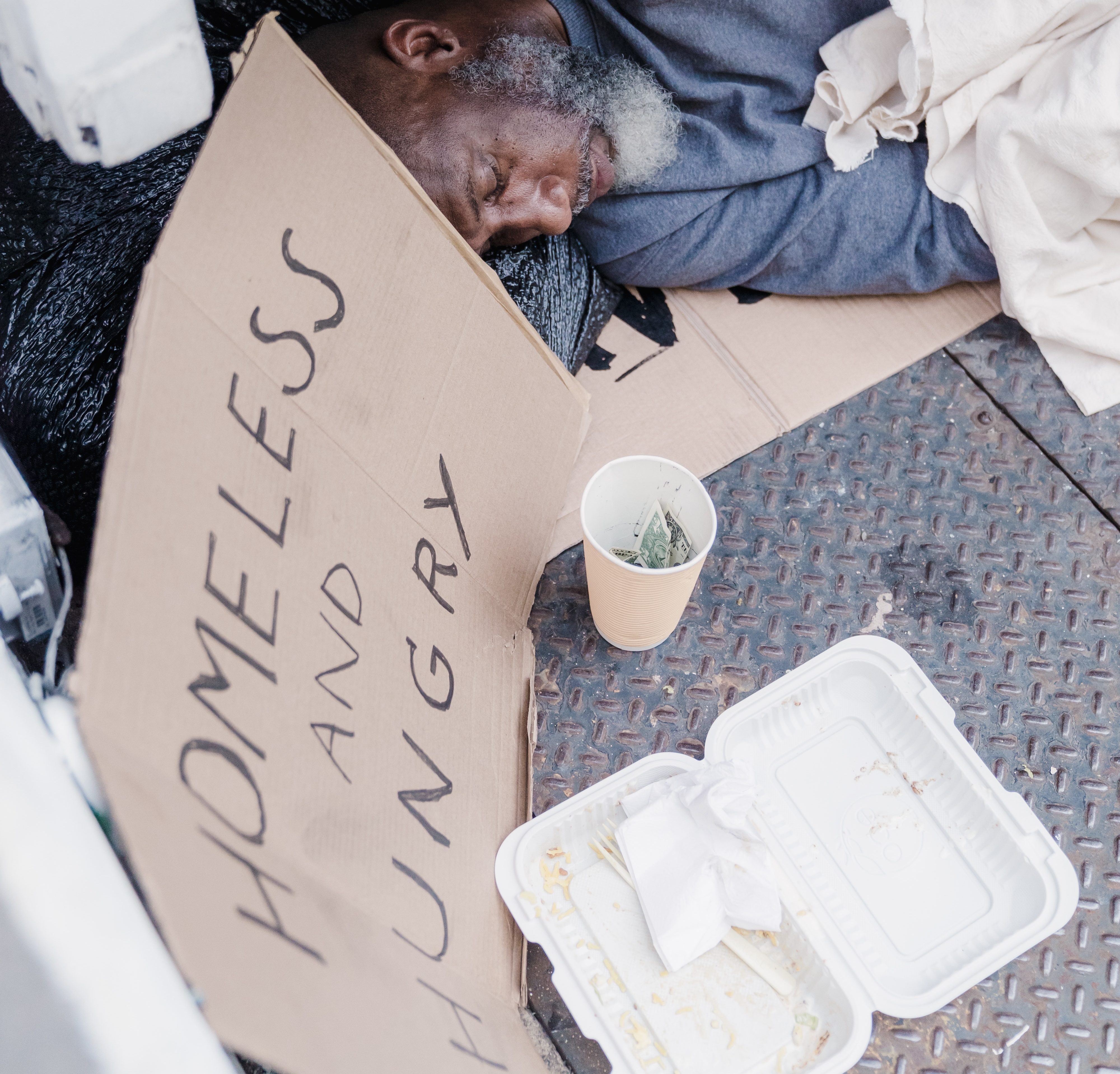
Child homelessness surges to nearly 2.5 million
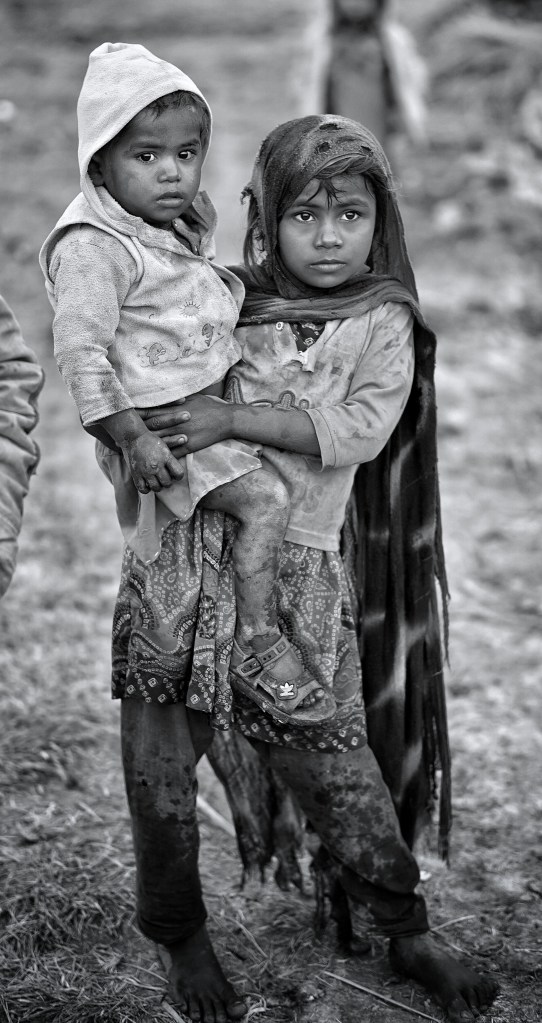
One out of every 30 kids is homeless annually, about half of them younger than six, according to a new report. Homeless children show higher rates of developmental problems and mental health needs.

Child Homelessness Hits Record High
TIME
One out of every 30 children in the United States experiences homelessness at some point during the year.
That’s nearly 2.5 million children, up from 1.6 million in 2010, reports The National Center on Family Homelessness in Waltham, Mass., part of the American Institutes for Research.null
“When you look at the resources and where they’ve been driven … there’s been a national priority to address the issues for the chronic homeless and for veterans … and we’ve seen those numbers decline,” says the center’s director, Carmela DeCandia. “That’s a good thing. The problem is the same level of attention has not been paid to kids and families.”
THE MONITOR’S VIEWWho really won the US midterm elections
The report relies on the definition of homelessness that schools are required to use under the federal McKinney-Vento Act, which is broader than the definition used by federal housing authorities and includes children “doubled up” with friends or relatives because of economic hardship. Based on recently released 2012-2013 data, it also includes an estimate of the number of children under 6 whose families experience homelessness.
Many of these families include single mothers struggling to raise small children. Researchers estimate that about half of homeless children are under age 6. For 20 to 50 percent of the mothers, their homelessness is caused primarily by intimate-partner violence, the report notes.
Homeless children show higher rates of developmental problems and mental health needs. Because of “the human and economic toll … we have to have decisive action now,” Ms. DeCandia says.
The report also ranks the states on a variety of factors related to child homelessness.
Kentucky is identified as the state with the highest portion of its children experiencing homelessness in a year: 66,818 in 2012-13, down from 70,090 the year before. But on another measure, the quality of state policy and planning around this issue, it ranks 20th (with 1st being the best).
The state with the smallest portion of homeless children is Connecticut: 5,508, a number similar to the year before.null
One ranking uses a composite score that includes state policies, the portion of homeless children, risk factors for homelessness related to benefits and housing costs, and child well-being factors such as food security and health.
With this measure, Minnesota ranks the best and Alabama the worst.
In Alabama, more than 59,349 children experienced homelessness; there’s a high teen birth rate (39.2 per 1,000 teens); 27 percent of children live in poverty; and there is no active state interagency council on homelessness.
In Minnesota, by contrast, 23,608 children were homeless; the teen birth rate is 18.5 per 1,000; 14 percent of children live in poverty; and there is a state interagency council.
Minnesota has roughly triple the amount of shelter and housing units for families that Alabama has.
November 17, 2014
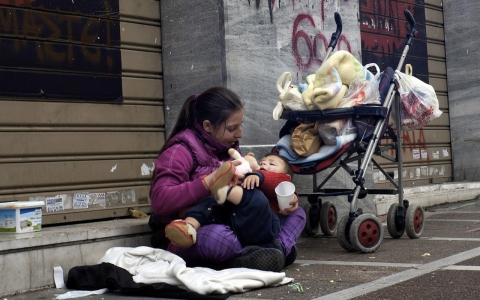
TOO MANY US CHILDREN ARE POOR
The United States has the highest rate of child poverty among similarly developed nations.
41% of US children are low-income and 19% —approximately one in five—are poor.
Children under the age of 6 are even more likely to be poor.
Children are overrepresented among our nation’s poor; they represent 23% of the population but comprise 32% of all people in poverty.
Many more children live in families with incomes just above the poverty threshold.
Children of color are disproportionately poor as a result of racial discrimination and unjust social policies.
To eliminate child poverty we must understand why it exists, the harm it causes, and the most promising solutions.
Such negative responses are rooted in longstanding myths about “hobos,” “Bowery bums,” and “bag ladies.” Some may believe that homeless people are free spirits who simply prefer to live outside. More likely, they’re viewed as misfits – dysfunctional, threatening, potentially criminal.
Above all, they are not like us.
In my new book, “Extreme Domesticity: A View from the Margins,” I examine ethnographies, journalistic accounts and memoirs that have been written about homeless people and communities.
While the accounts describe individuals living in different decades, cities and circumstances, the homeless people portrayed all possess an impressive degree of agency and resourcefulness, even though they can’t take the comforts of home for granted.
Homemakers once, they are homemakers still: however challenging, their efforts to satisfy basic domestic needs resemble those of people everywhere.
Changing the narrative
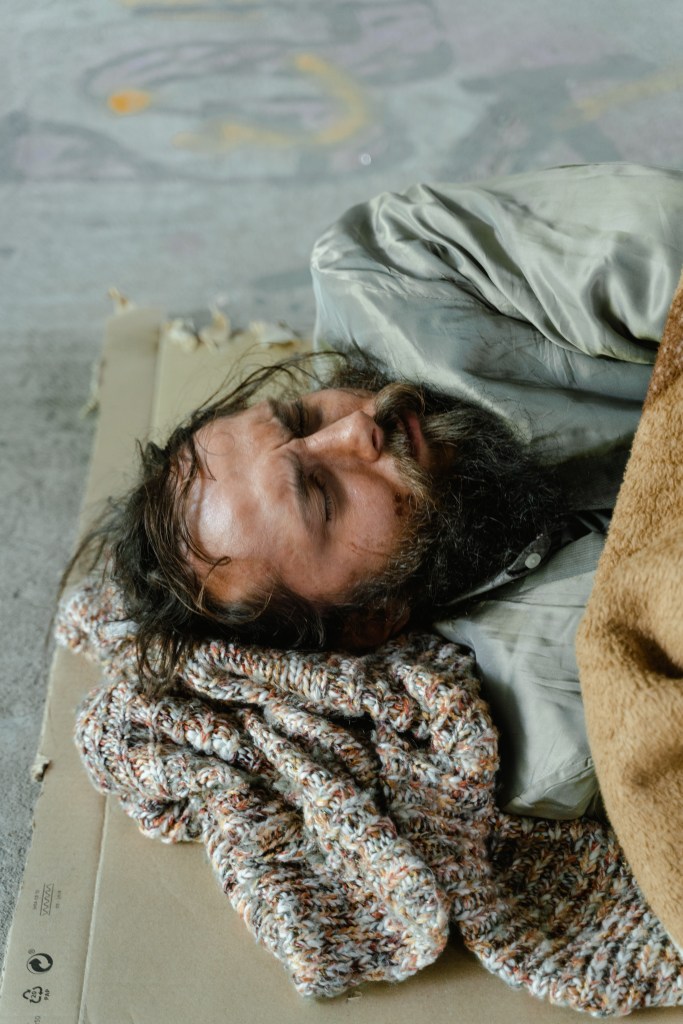
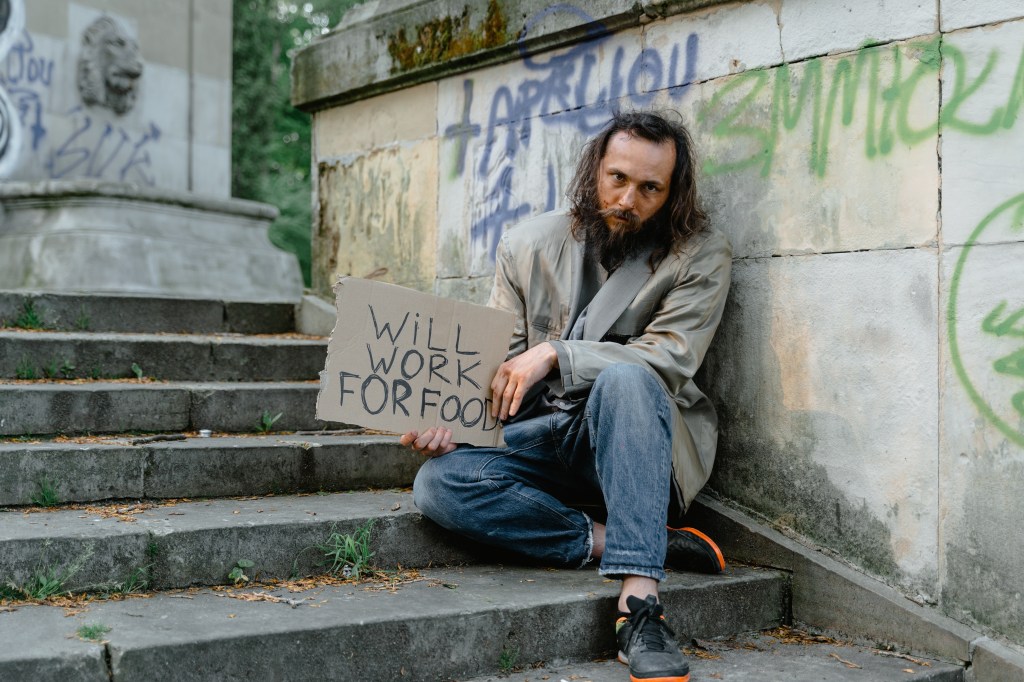
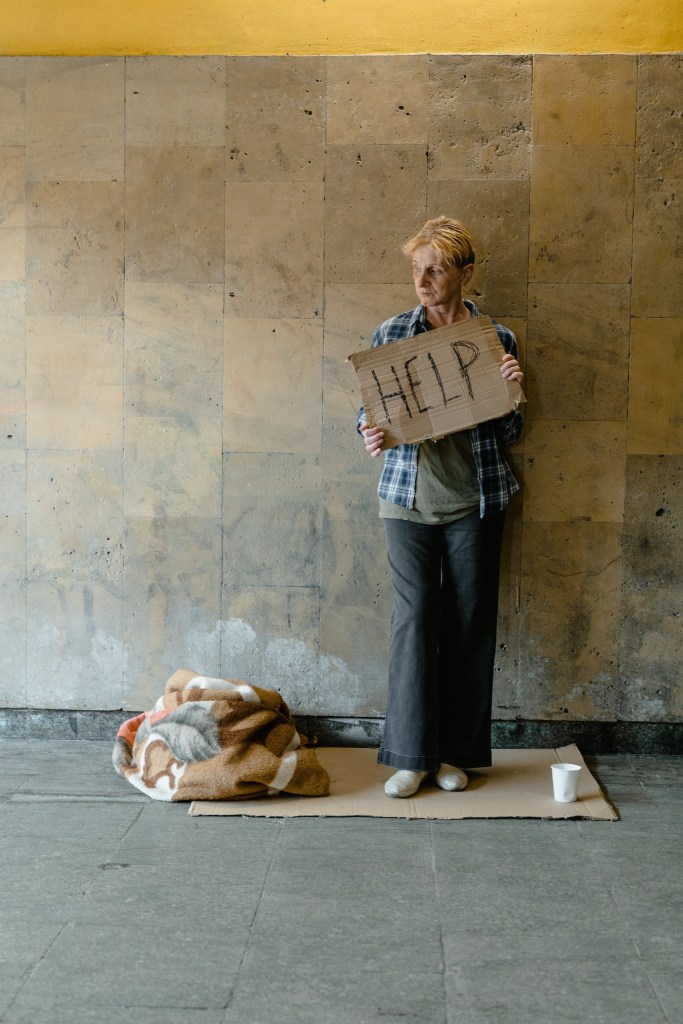
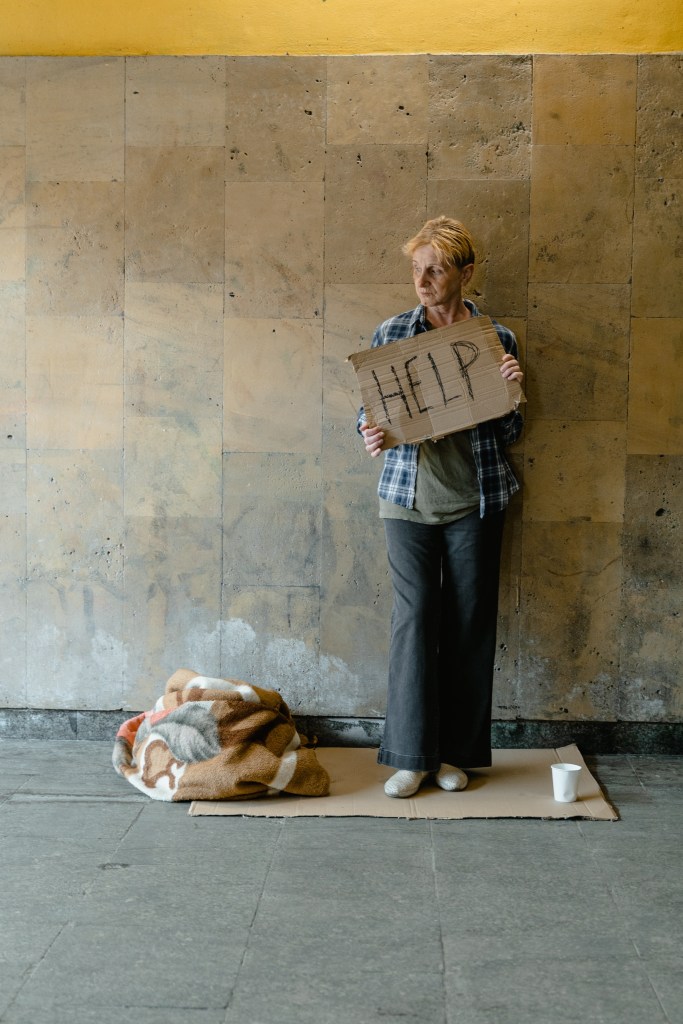
The guy on a median, working the cars with his scrawled sign. The woman camped on a sidewalk with her bundles. The sleeping figure curled under a roof of cardboard.
These are only the most visible cases of homelessness. But many rotate among friends, stay in emergency shelters or live in their cars. Most are previously employed, and some still are.
The majority aren’t consistently homeless. Instead, high rents, low wages and insufficient federal aid combine to produce recurrent bouts of homelessness – a cycle of instability. As Harvard sociologist Matthew Desmond noted in his recent book “Evicted,” millions of families are forced from their homes each year.
A large number are children. In 2016, youth under 25 accounted for 31 percent of the overall homeless population. In addition to LGBT teens and those aging out of foster care, a recent study identified a more surprising subgroup of unhoused kids: community college students. Many lack sufficient financial aid and are earning poverty wages. A full 13 percent leave class with nowhere to go.
Dealing with daily needs
We tend to equate the absence of secure shelter with the absence of a domestic life. Is it even possible to make a home without one?
But for people coping with homelessness, everyday domestic concerns become all the more urgent and all-consuming.
Is this a safe, dry place to sleep? Does my kid have cereal for breakfast? Where can I take a shower? When does the soup kitchen open? Where can I store my medication, papers and photos? How can I create some privacy and coziness in a public place?
The sources I survey in my book suggest that answers to these problems are as diverse as the people experiencing homelessness. In “Travels with Lizbeth,” writer Lars Eighner recalls his years spent sleeping in makeshift camps and eating out of dumpsters, accompanied by his beloved dog. At one point, he nests for weeks in a stand of bamboo, reading and writing by the light of an improvised oil lamp.
How close it must be to God’s heart if the Creator of the Universe encourages and instructs us so many times to care for and even donate to the poor, the orphan, the widow and the afflicted.
Once I dived into making this list of verses, it was hard to stop at 20! I was struck anew today by the strong action verbs in these verses. Whether it’s God or us taking up the cause of the downtrodden, look how many times you see words like “rescue,” “defend,” and “speak up.”
There are so many powerfully simple verses that beg a response from us.
God doesn’t just say “remember the poor,” or “pray for the poor,” though both of those things are good and important. He calls us, His hands and feet in a hurting world, to actually DO SOMETHING. And, not that we should ever give to get, but God promises to reward us when we do—how kind of our Father.
So, let’s take these Bible verses about helping the poor to heart and act on behalf of the extreme poorand the needy!
1) Psalm 34:6
This poor man called, and the Lord heard him;
he saved him out of all his troubles.
2) Psalm 35:10
My whole being will exclaim, “Who is like you, Lord?
You rescue the poor from those too strong for them,
the poor and needy from those who rob them.”
3) Psalm 82:3
Defend the weak and the fatherless;
uphold the cause of the poor and the oppressed.
4) Psalm 109:30-31
With my mouth I will greatly extol the Lord;
in the great throng of worshipers I will praise him.
For he stands at the right hand of the needy,
to save their lives from those who would condemn them.
5) Psalm 113:7
He raises the poor from the dust and lifts the needy from the ash heap;
6) Psalm 140:12
I know that the Lord secures justice for the poor
and upholds the cause of the needy.
7) Psalm 146:8
The Lord gives sight to the blind,
the Lord lifts up those who are bowed down,
the Lord loves the righteous.
8) Proverbs 14:31
Whoever oppresses the poor shows contempt for their Maker,
but whoever is kind to the needy honors God.
9) Proverbs 14:21
It is a sin to despise one’s neighbor,
but blessed is the one who is kind to the needy.
10) Proverbs 19:17
Whoever is kind to the poor lends to the Lord,
and he will reward them for what they have done.
11) Proverbs 22:9
The generous will themselves be blessed,
for they share their food with the poor.
12) Proverbs 28:27
Those who give to the poor will lack nothing,
but those who close their eyes to them receive many curses.
13) Proverbs 31:8-9
Speak up for those who cannot speak for themselves,
for the rights of all who are destitute.
Speak up and judge fairly;
defend the rights of the poor and needy.
14) Proverbs 31:20
She opens her arms to the poor
and extends her hands to the needy.
15) Isaiah 58:6-8
“Is not this the kind of fasting I have chosen:
to loose the chains of injustice
and untie the cords of the yoke,
to set the oppressed free
and break every yoke?
Is it not to share your food with the hungry
and to provide the poor wanderer with shelter—
when you see the naked, to clothe them,
and not to turn away from your own flesh and blood?
Then your light will break forth like the dawn,
and your healing will quickly appear;
then your righteousness will go before you,
and the glory of the Lord will be your rear guard.
16) Micah 6:8
He has shown you, O mortal, what is good.
And what does the Lord require of you?
To act justly and to love mercy
and to walk humbly with your God.
17) Zechariah 7:8-10
And the word of the Lord came again to Zechariah: “This is what the Lord Almighty said: ‘Administer true justice; show mercy and compassion to one another. Do not oppress the widow or the fatherless, the foreigner or the poor. Do not plot evil against each other.’
18) Luke 3:11
John answered, “Anyone who has two shirts should share with the one who has none, and anyone who has food should do the same.”
19) 1 John 3:16-18
This is how we know what love is: Jesus Christ laid down his life for us. And we ought to lay down our lives for our brothers and sisters. If anyone has material possessions and sees a brother or sister in need but has no pity on them, how can the love of God be in that person? Dear children, let us not love with words or speech but with actions and in truth.
20) James 1:27
Religion that God our Father accepts as pure and faultless is this: to look after orphans and widows in their distress and to keep oneself from being polluted by the world.
What do you think?
Inspired and want to do something after reading these Scripture verses about helping the poor? Browse our impact catalog to give in numerous ways.
Intrigued and want to read more bible verses about helping the poor?.
Donate To The Most Urgent Needs
You can help by giving to the most urgent needs through infinity lives.

